Your entryway is the first part of your home that you see each day. It is also where many items tend to collect, including shoes, coats, bags, keys, mail, and seasonal accessories. Without a simple system, this small space can quickly become cluttered.
The good news is that organizing an entryway does not require a large renovation or expensive furniture. With a few practical changes, you can create a tidy, useful area that makes leaving and returning home easier.
Start by Clearing the Space
Before adding storage, remove everything from the entryway. Place the items on the floor or a nearby table so you can see what is actually taking up space.
Sort everything into a few simple groups:
– Items that belong in the entryway
– Items that belong in another room
– Items to donate or recycle
– Items that need repair or special care
Be realistic about what you use regularly. The entryway should hold everyday essentials, not every coat, pair of shoes, or reusable bag in your home. Moving less-used items to a wardrobe, closet, or storage area will make the space easier to maintain.
Once the area is empty, give it a quick clean. Dust shelves, wipe down surfaces, and sweep or vacuum the floor. A clean starting point makes it easier to build a system that lasts.
Choose Storage for Everyday Items
The best entryway storage is easy to use. If putting an item away takes too many steps, it will probably end up on the floor or a nearby chair.
Look for storage that matches your routine and the size of your space. Useful options include:
– A narrow console table with drawers
– Wall-mounted hooks
– A small bench with built-in storage
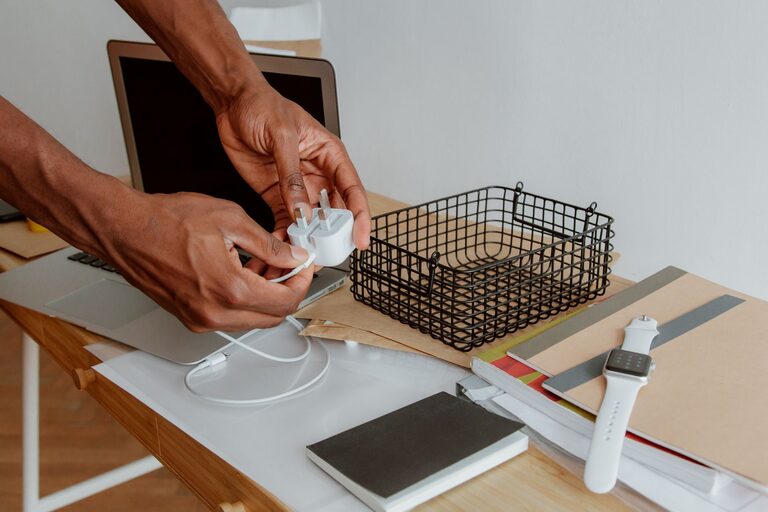
– Baskets or bins
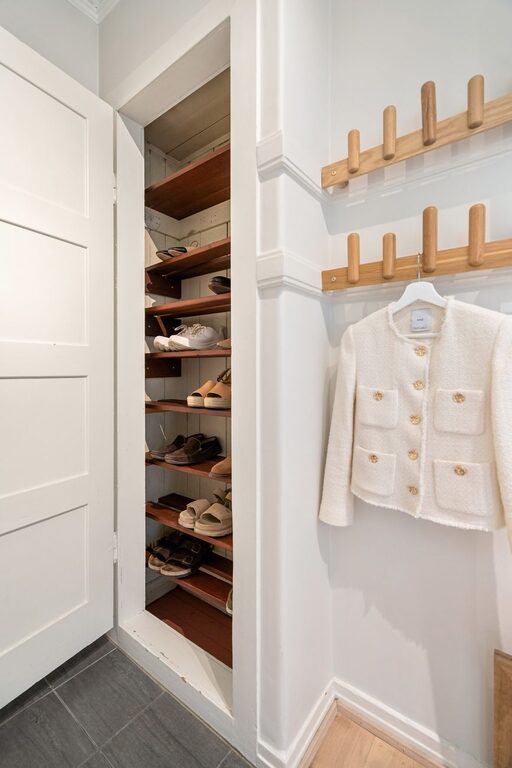
– A shoe rack
– A slim cabinet
– A tray for small items
If your entryway is narrow, choose vertical storage rather than wide furniture. Hooks, shelves, and wall-mounted organisers can provide useful space without blocking the walkway.
For a larger entryway, a bench can offer both seating and storage. It gives you a comfortable place to put on shoes while keeping baskets or footwear neatly contained underneath.
Create a Home for Coats and Bags
Coats and bags are often the largest items in an entryway, so giving them a designated place can make an immediate difference.
Install hooks at a height that is comfortable for the people using them. If children use the entryway, add a few lower hooks so they can hang up their own jackets and bags. This encourages good habits and keeps items from being dropped on the floor.
Avoid filling every hook. Leave some empty space so coats are easy to hang and remove. A useful rule is to keep only the coats and bags that are needed for the current season in the entryway. Store the rest elsewhere.
You can also assign hooks by person or by item. For example, each family member could have one hook, or you could reserve certain hooks for coats, backpacks, and reusable shopping bags.
Keep Shoes Under Control
Shoes can make an entryway look untidy very quickly. A shoe rack, bench, or basket can help keep them contained.
Start by deciding how many pairs should stay near the door. Keep the shoes used most often in the entryway and move formal, seasonal, or special-occasion footwear to another storage area.
For a simple system:
- Place a shoe rack or tray near the door.
- Keep pairs together.
- Remove shoes that are damaged or no longer worn.
- Store wet or muddy footwear on a washable mat.
- Leave enough room for shoes to be taken off without blocking the walkway.
A small basket can work well for slippers, children’s shoes, or seasonal items. If you use a closed cabinet, make sure shoes have time to dry before being stored inside.
Set Up a Key and Small-Item Station
Keys, sunglasses, wallets, and other small items are easy to lose. A dedicated station near the door can keep them in one place.
Try using a small tray on a console table, a wall-mounted key holder, or a shallow bowl. The most important feature is consistency: place these items in the same spot whenever you come home.
You can make the station more useful by adding a few simple sections:
– Keys
– Wallets
– Sunglasses
– Earbuds
– Dog leads
– Transit cards
Avoid allowing the tray to become a collection point for receipts, loose change, and unrelated objects. Empty it regularly so it remains useful rather than becoming another source of clutter.
Add a Mail Sorting Area
Mail and paperwork can quickly take over an entryway. Instead of leaving envelopes on a table or counter, create a simple sorting system.
Use a wall-mounted file holder, a small basket, or labelled compartments for:
– Mail to review
– Items to file
– Items to recycle
– Outgoing letters or parcels
Sort mail as soon as you bring it inside. Recycle unwanted flyers and packaging immediately, then move important documents to the place where you manage paperwork. This prevents piles from building up and keeps personal documents from being left in an open area.
Use Baskets to Hide Visual Clutter
Baskets are a practical way to store items while keeping the entryway looking calm and orderly. Choose baskets that fit under a bench, on a shelf, or beside a console table.
You might use one basket for each category, such as:
– Hats and gloves
– Scarves
– Reusable shopping bags
– Sports equipment
– Pet accessories
– Children’s belongings
Labels can help everyone know where items belong. If you prefer a cleaner appearance, choose matching baskets. For a more relaxed look, use different textures and sizes while keeping the colours coordinated.
Do not overfill baskets. When a container is too full, items are difficult to find and are more likely to be left out.
Make the Most of Vertical Space
Walls are often the most underused part of an entryway. Adding vertical storage can free up valuable floor space.
Consider installing:
– A row of hooks
– A floating shelf
– A pegboard
– A wall-mounted organiser
– A mirror with a small shelf
– Narrow ledges for decorative items
A mirror can make a small entryway feel brighter and more open while providing a convenient place for a final check before heading out. Choose a secure position where it will not interfere with doors or walkways.
When installing wall storage, check the wall type and use suitable hardware. Storage should be firmly attached, especially if it will hold heavy coats or bags.
Keep the System Easy to Maintain
An organized entryway needs a small amount of regular attention. Set aside a few minutes each week to return items to their proper places, remove rubbish, and check whether the space is holding too much.
At the change of each season, review coats, shoes, and accessories. Move out items that are no longer needed and make space for the season ahead.
It can also help to create a simple household rule: anything brought into the entryway must either be put away, sorted, or moved to its final destination. This keeps clutter from becoming part of the furniture.
Add a Welcoming Touch
Organization does not have to look plain. Once the practical storage is in place, add one or two details that make the entryway feel welcoming.
Consider a durable runner, a small plant, a framed print, or a bowl in a colour that suits your home. Keep decorations limited so they do not interfere with storage or cleaning.
The goal is a space that feels pleasant and works well. By reducing unnecessary items, choosing accessible storage, and giving everyday belongings a clear home, you can create an entryway that stays tidy with minimal effort.