
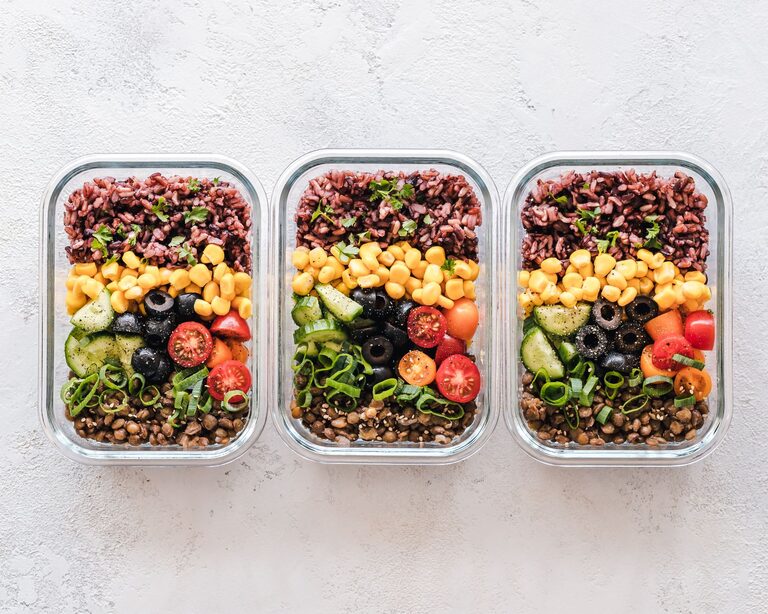
Planning balanced meals does not have to mean following a strict schedule, measuring every ingredient, or preparing a different dish for every person in your household. A simple approach can help you eat a variety of foods while saving time, reducing waste, and making mealtimes easier.
The goal is not perfection. It is to create meals that include a useful mix of food groups and fit your lifestyle.
Start with a simple meal formula
A balanced meal usually includes a few key elements:
– Vegetables or fruit
– A source of protein
– A whole-grain or other carbohydrate-rich food
– A small amount of healthy fat
– Water or another unsweetened drink
You do not need to include every element in exact portions at every meal. Instead, use the formula as a guide. For example, a bowl might include roasted vegetables, chickpeas, brown rice, and a spoonful of yoghurt-based dressing. A sandwich could include whole-grain bread, tuna or tofu, lettuce, tomato, and avocado.
This flexible structure works with many types of food and can be adapted to different tastes, budgets, and cooking abilities.
Use the plate as a visual guide
When planning a main meal, picture your plate divided into sections:
– About half the plate for vegetables and fruit
– About one-quarter for protein foods
– About one-quarter for whole grains or other starchy foods
This is not a rule that must be followed precisely. It is simply a quick way to check whether your meal has variety.
For instance, a dinner of chicken and pasta may feel incomplete on its own. Adding a side salad, steamed broccoli, or roasted peppers can bring more colour and texture to the plate. If the meal already contains several vegetables, you may only need a modest serving of pasta or bread to round it out.
Plan around foods you already enjoy
Meal planning is easier when it begins with familiar foods. Make a list of meals your household already likes, then look for small ways to add variety.
You might:
– Add spinach or peppers to an omelette
– Serve fruit with breakfast
– Add beans to soup or chilli
– Use whole-grain tortillas for wraps
– Include a side of frozen vegetables with dinner
– Top yoghurt with berries, oats, or seeds
There is no need to replace all your favourite meals. Small changes can make them more balanced without taking away the foods you enjoy.
Create a short weekly plan
A full seven-day plan can feel like too much work. Try planning just three or four dinners, then leave room for leftovers, quick meals, or an evening out.
A simple weekly outline might look like this:
Monday: One-pot meal
Try a vegetable and bean chilli, lentil curry, or chicken and vegetable stew. One-pot meals often provide leftovers for lunch.
Tuesday: Build-your-own meal
Set out ingredients for wraps, grain bowls, tacos, or baked potatoes. This lets each person choose their preferred combination.
Wednesday: Quick meal
Use eggs, canned fish, tofu, rotisserie chicken, or frozen vegetables to make a meal in a short amount of time.
Thursday: Leftovers
Serve leftovers as they are, or turn them into something new. Roasted vegetables can become a filling for wraps, while cooked rice can be used in a stir-fry.
Friday: Flexible meal
Keep this night open for takeaway, a simple freezer meal, or whatever ingredients need to be used.
Planning fewer meals gives you structure without making the week feel rigid.
Keep a list of reliable meal combinations
Instead of searching for new recipes every day, collect a few easy combinations that you can repeat. A meal template can be more useful than a detailed recipe.
Try these ideas:
– Salmon, potatoes, and green beans
– Tofu, brown rice, and stir-fried vegetables
– Lentil soup with whole-grain toast
– Chicken or bean burrito bowls
– Vegetable omelettes with fruit and toast
– Whole-grain pasta with tomato sauce and vegetables
– Greek-style yoghurt, oats, fruit, and nuts for a quick breakfast
You can change the seasonings, sauces, and vegetables to keep familiar meals interesting.
Stock flexible ingredients
A well-organized kitchen can make meal planning much easier. Choose ingredients that can be used in more than one way.
Helpful cupboard staples
– Oats
– Brown rice or quinoa
– Whole-grain pasta
– Canned beans and lentils
– Canned tomatoes
– Nut or seed butter
– Herbs and spices
– Low-sodium broths and sauces
Useful fridge items
– Eggs
– Yoghurt or a non-dairy alternative
– Cheese
– Carrots, peppers, cucumbers, and leafy greens
– Fresh fruit
– Tofu or another ready-to-cook protein
Convenient freezer choices
– Frozen berries
– Frozen vegetables
– Whole-grain bread
– Cooked grains
– Frozen fish, chicken, or meat-free options
Frozen and canned foods can be practical choices. They often save preparation time and can help you keep nutritious ingredients available when fresh food is limited.
Make preparation easier
You do not need to spend an entire weekend cooking. Small preparation tasks can save time throughout the week.
Consider:
– Washing and chopping a few vegetables
– Cooking one grain, such as rice or quinoa
– Making a simple dressing or sauce
– Boiling a few eggs
– Portioning snacks into easy-to-grab containers
– Preparing one large batch of soup, beans, or roasted vegetables
Choose only one or two tasks at a time. If you prepare too much, the process may become tiring and harder to maintain.
Build meals from leftovers
Leftovers are one of the simplest ways to reduce cooking time. When preparing dinner, cook enough of one or two ingredients to use again.
For example:
– Roasted chicken can become a sandwich or salad topping
– Cooked vegetables can be added to eggs or pasta
– Rice can be used in a grain bowl or stir-fry
– Beans can be added to soup, wraps, or nachos
– Roasted potatoes can be served with breakfast
Store leftovers in clear containers and place them where they are easy to see. Label the container if you may forget when it was prepared.
Keep quick options for busy days
Even the best plan can change. Work, travel, family responsibilities, or low energy may leave little time for cooking. Keep a few easy options available so you do not have to start from scratch.
Quick meal ideas include:
– Whole-grain toast with eggs and sliced fruit
– A bean and cheese quesadilla with salsa
– Hummus, vegetables, and pita
– A frozen vegetable stir-fry with tofu or chicken
– Soup with whole-grain bread
– A yoghurt bowl with fruit, oats, and seeds
A balanced meal can be simple. It does not need to look elaborate or take an hour to prepare.
Avoid an all-or-nothing approach
One meal does not define your overall eating pattern. If a meal is missing vegetables or relies on convenience foods, you can simply return to your usual routine at the next opportunity.
Planning should support your life, not create extra pressure. Leave room for cravings, celebrations, restaurant meals, and days when cooking is not realistic. Flexibility makes a routine easier to follow over time.
A practical weekly checklist
Before the week begins, ask yourself:
- Which three or four meals would be useful this week?
- What ingredients do I already have?
- Which foods need to be used soon?
- What can be prepared in advance?
- What quick meals can cover unexpected busy days?
- Can leftovers become part of the plan?
With a short list, flexible meal templates, and a few dependable ingredients, balanced meals can become a natural part of your routine. Start small, make the plan work for your household, and adjust it as you learn what saves the most time and effort.