
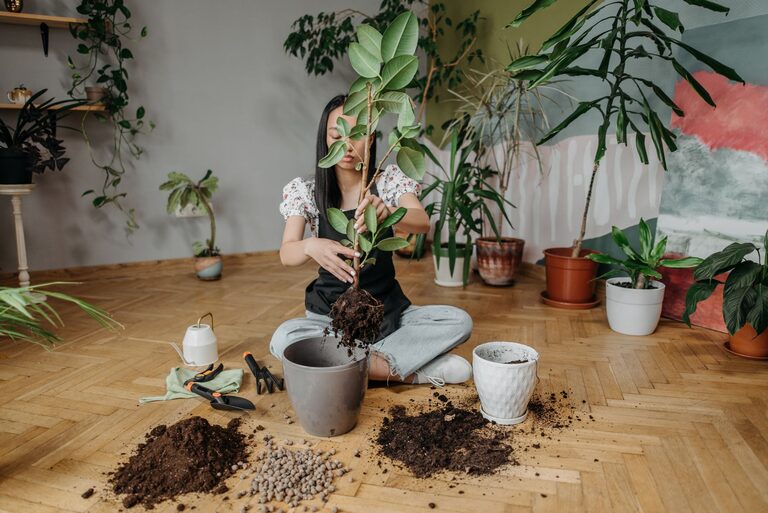
Houseplants can brighten a room, add natural colour, and create a welcoming atmosphere. They can also be surprisingly easy to care for when their basic needs are understood. The key is to provide the right balance of light, water, air circulation, and nutrients.
Whether you are caring for a single pothos or a collection of plants, these simple tips can help your houseplants stay healthy throughout the year.
Choose the Right Location
A plant’s location has a major effect on its health. Before placing a new plant, consider how much natural light enters the room and how the temperature changes during the day.
Understand light levels
Most houseplants prefer bright, indirect light. This means they should be near a window but protected from strong, direct sunlight, which can scorch their leaves. Plants that need lower light may do well several feet away from a window or in a room with filtered light.
Watch your plant for signs that it needs a different location:
– Pale, stretched, or widely spaced leaves may indicate too little light.
– Brown or bleached patches can be caused by strong direct sun.
– Leaves that face strongly towards one direction may be reaching for light.
Rotate your plants every week or two so all sides receive even exposure. If a room is naturally dark, a suitable grow light can provide additional support.
Avoid temperature extremes
Keep houseplants away from cold drafts, heaters, fireplaces, and air-conditioning vents. Sudden temperature changes can stress plants, even when the room generally feels comfortable.
Most common houseplants prefer stable indoor temperatures. Avoid placing them directly beside exterior doors or windows that become very cold during winter.
Water Carefully
Overwatering is one of the most common causes of houseplant problems. Many plants prefer to dry slightly between waterings rather than remain in constantly wet soil.
Check the soil first
Before watering, place your finger about two to five centimetres into the soil. If the surface and upper layer feel dry, the plant may need water. If the soil still feels damp, wait a few days and check again.
Watering schedules vary depending on the plant, pot size, season, and room conditions. A plant may need water more often during a bright, warm summer than during a cooler, darker winter.
Water thoroughly
When it is time to water, add enough water for some to flow through the drainage holes. This helps moisten the entire root area. Empty any water that collects in a saucer or decorative container after a few minutes.
Avoid giving plants small amounts of water too frequently. This can leave the upper soil damp while the deeper roots remain dry.
Plants may show signs of watering problems:
– Wilting, dry soil, and crispy edges may mean the plant needs more water.
– Yellow leaves, soft stems, and a sour-smelling soil may indicate too much water.
– Drooping leaves can result from either too little or too much water, so check the soil before deciding what to do.
Use Pots With Drainage
Good drainage protects roots from standing water. Choose pots with drainage holes whenever possible, and use a saucer to protect furniture and floors.
If you prefer to use a decorative pot without holes, keep the plant in a smaller nursery pot with drainage and place that pot inside the decorative container. Remove it when watering, let excess water drain, and then return it to the outer pot.
Choose a pot that is only slightly larger than the root ball when repotting. A container that is too large can hold excess moisture and increase the risk of root problems.
Select Suitable Soil
Different plants have different soil needs. A general indoor potting mix works well for many common houseplants, but some varieties benefit from a more specific blend.
For example, plants that prefer dry conditions often grow better in a mix that drains quickly. Tropical plants may prefer a mix that holds some moisture while still allowing air to reach the roots.
Avoid using garden soil in indoor pots. It can be heavy, drain poorly, and contain unwanted insects or organisms. Fresh, high-quality potting mix gives roots a healthier growing environment.
Feed Plants During Active Growth
Plants use nutrients from the soil as they grow. Many houseplants benefit from a balanced indoor plant fertilizer during spring and summer, when growth is usually most active.
Follow the product instructions carefully and avoid using more than recommended. Too much fertilizer can damage roots and leave a white crust on the soil surface.
During autumn and winter, many houseplants grow more slowly and need less fertilizer. Reduce feeding or pause it altogether, depending on the plant’s needs and the conditions in your home.
Keep Leaves Clean
Dust can collect on leaves and block some of the light a plant needs. It can also make it harder to notice early signs of pests or other problems.
Wipe broad leaves gently with a clean, damp cloth. For smaller plants, a gentle rinse in a sink or shower may be suitable, provided the water pressure is low and the plant can drain fully afterwards.
Avoid using household cleaning products, oils, or leaf-shine products unless they are specifically made for plants. These products may harm the leaves or leave a coating that attracts dust.
Check for Pests Regularly
Inspect your plants every week, especially new plants or those that have recently been moved indoors. Look underneath leaves, around stems, and near the soil surface.
Common signs of pests include:
– Tiny insects or webbing
– Sticky residue on leaves
– Speckled or pale patches
– Curled or distorted new growth
If you notice a problem, move the affected plant away from other plants. Remove visible pests by hand or rinse the leaves gently. For a larger problem, use a product labelled for indoor plants and follow its directions carefully.
Regular checks make it easier to deal with pests before they spread.
Prune and Remove Damaged Growth
Remove yellow, dead, or badly damaged leaves with clean scissors. This improves the plant’s appearance and allows it to focus energy on healthy growth.
You can also trim long or uneven stems to encourage a fuller shape. Make cuts just above a leaf node, where new growth may develop. Always clean your scissors before and after pruning different plants to reduce the chance of spreading problems.
Do not remove large amounts of healthy growth at once. Light, regular pruning is usually less stressful than a major trim.
Repot When Needed
Houseplants do not need repotting on a fixed schedule. Instead, look for signs that a plant has outgrown its container.
These signs may include:
– Roots growing through the drainage holes
– Soil drying out unusually quickly
– Slow growth despite suitable light and water
– A plant becoming top-heavy
– Roots tightly circling the inside of the pot
Repot during the growing season if possible. Choose a container only one size larger, gently loosen the roots, and use fresh potting mix. Water lightly after repotting and keep the plant in a suitable location while it adjusts.
Build a Simple Care Routine
Consistency is more useful than constant attention. Set aside a few minutes each week to inspect your plants, check the soil, rotate pots, and remove damaged leaves.
Keep a simple note of watering dates for plants with different needs. However, always check the soil rather than watering automatically according to the calendar.
By observing your plants and making small adjustments, you can create a reliable routine that supports healthy growth. With suitable light, careful watering, good drainage, and regular attention, most houseplants can thrive and remain a cheerful part of your home.